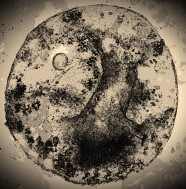
We have truly arrived into the winter dark and for me that’s a time to hunker down. Each season has a different energetic quality, and winter is the quiet time when nature returns to the ground. Many trees slow their growth, their beautiful dark leafless silhouettes in the evening light. Herbaceous plants die back down to their roots, nestled in the damp earth, while the leaf matter forms a soft carpet to protect the soil over winter, gradually being broken down by the myriad soil organisms, to create nutrition so the lifeforce of the earth can rise again in the spring.
We too can return to ground during this season, slowing down and keeping warm with the lighting low. Natural candlelight is a gentle reflection of the soft winter sunlight and is restful for our eyes and our soul. I like to put up strings of sparkly fairy lights too, to add a sense of joy and beauty over the dark days.
It’s important to find some restful body-centred time, long candlelit baths soaking in your favourite oils and herbs or hot chocolate in a comfy chair with a cosy blanket and a good book.
Restorative yoga is a lovely gentle activity at this time. The poses are long and slow, allowing our body time to sink into its own peaceful place and really let go. Use plenty of props – cushions and blankets, to enable the body to feel supported, held and safe, as this encourages the parasympathetic nervous system to find its way to a deep and nurturing rest. In this way we can connect with the rooted energy, creating a container where winter dreams can incubate.

As in nature, now is a good time to take in good wholesome food and comforting winter carbs, such as delicious winter stews with root vegetables, barley and oats. Storing our nutrients deep in our bones, like tree roots, will keep us fed through the long dark time.
Here is a link to some delicious barley recipes from regenerative agriculture farm Brow Farm in Lancashire:
https://browfarm.co.uk/pages/recipes-with-our-crops-barley-recipes
To bring you into a restful space, this is a link to a restorative yoga video session, with Amanda Lawford, Inspire Movement Coaching:
https://www.youtube.com/watch?v=t4NvLAwZEhM
And finally, to inspire you with some quiet, creative time, here’s a link to Kasia Avery’s lovely free December journalling series:
https://www.everything-art.com/p/care-december25
I am an artist, musician and orchardist living on the Gower Peninsula. I am writing this blog to share with others the power and joy we can feel as we immerse ourselves in nature recovery. By returning to our mother earth, I believe this will lead us forward into a more sustainable way of living. Self care and community care are vital to develop our resilience and then from a more grounded base we can create the world we want to see, starting with small and possible actions.
If you enjoyed this, please like and share. Click below to subscribe for free to my regular posts (normally every few weeks). You can unsubscribe at any time.
All photos and text are the copyright of Witchhazel Wildwood unless otherwise stated.

 Wildwood Edge