The earth’s heart pulses deep within her fiery core, her network of river veins flows throughout her sumptuous body, taking nutrients and oxygen where they are needed, taking excess water to her briny oceans of tears to cycle through again. The rocks of her bones shift and settle. Her expansive mountainous lungs breathe in the atmosphere, filtering it through her verdant forests, exhaling deeply. In the winter she folds inwards to sleep under a hushed blanket. And in the spring she breathes a deep new breath and stretches out her fingertips, sprinkling snowdrops and crocuses through the woodland glades.
All the while, under her skin a miracle is happening, a perfect system of living beings who feed, clean and oxygenate her surface layers. Around 40 billion microorganisms can be found in every teaspoonful of rich microbial topsoil.
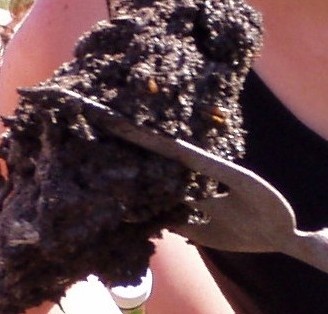
Living organisms in the soil lock nutrients in their bodies, making them available to the plant life slowly over time. If the soil is farmed so that it is depleted and not living, then it cannot hold the excess nutrients that it has been given in the form of synthetic fertilisers. These nutrients are washed away into the watercourses and living rivers, causing eutrophication.
We now know that plants communicate with the soil organisms to balance and control their seasonal diet. The plant roots give off exudates to call on the organisms they need, which change through the year as they cycle through the growing season into dormancy.
On the earth’s surface, balancing the above-ground life, there are other living ecosystems. We are components along with all the plants, animals and living beings. Mirroring the earth, we also have an inner biome that needs feeding, filtering and excreting.
Like the soil, our gut microbiome functions best when it is in balance. A diet rich in plants and drinking plenty of water are key, along with having the right kind and amount of beneficial bacteria living in the gut. The more good bacteria we have, the less harmful bacteria will be there (and these may be linked to various diseases in the long term). Some foods contain hormones which have a direct impact on our wellbeing and support our nervous system. For example, fermented foods not only help balance our gut flora but are also calming for our soul as they have a high concentration of Gaba, a hormone which improves sleep and reduces anxiety. Foods containing the hormone serotonin, such as nuts and seeds, will also help to regulate digestion and additionally influence our mood. There is a huge link between the gut biome and the brain.
Spring Cleanse
Every spring I like to do a dietary reset. This timing feels appropriate as the earth energy rises and as the temperature starts to warm up a little. It helps to shake off the winter (and some bad winter eating habits) and awaken my body’s immune system to get me into better balance.
My chosen plan starts with increasing fermented foods to balance the digestive system, (for example having miso soup with ginger for lunch) then bringing in yogurt for probiotics and finally I introduce more hormone regulating foods eg drinking red clover tea. My plan usually lasts for two or three weeks, and throughout I drink only water, herb teas, freshly made juices, smoothies or kombucha. I also cut out sugar and processed foods, eat more protein and reduce carbs. This is not a weight loss diet – the cleanse helps to reduce inflammation in the body and always leaves me feeling clear-headed and lighter.
Throughout the year, nature offers us foods to forage that meet our seasonal needs. In the early spring we can harvest fresh young leaves full of immune boosting nutrients. As the plants mature through the year these qualities fade, so spring is the time to eat fresh nettles, cleavers and hedgerow leaves. I try and include foraged foods daily as part of my cleanse.
Here are some top tips:
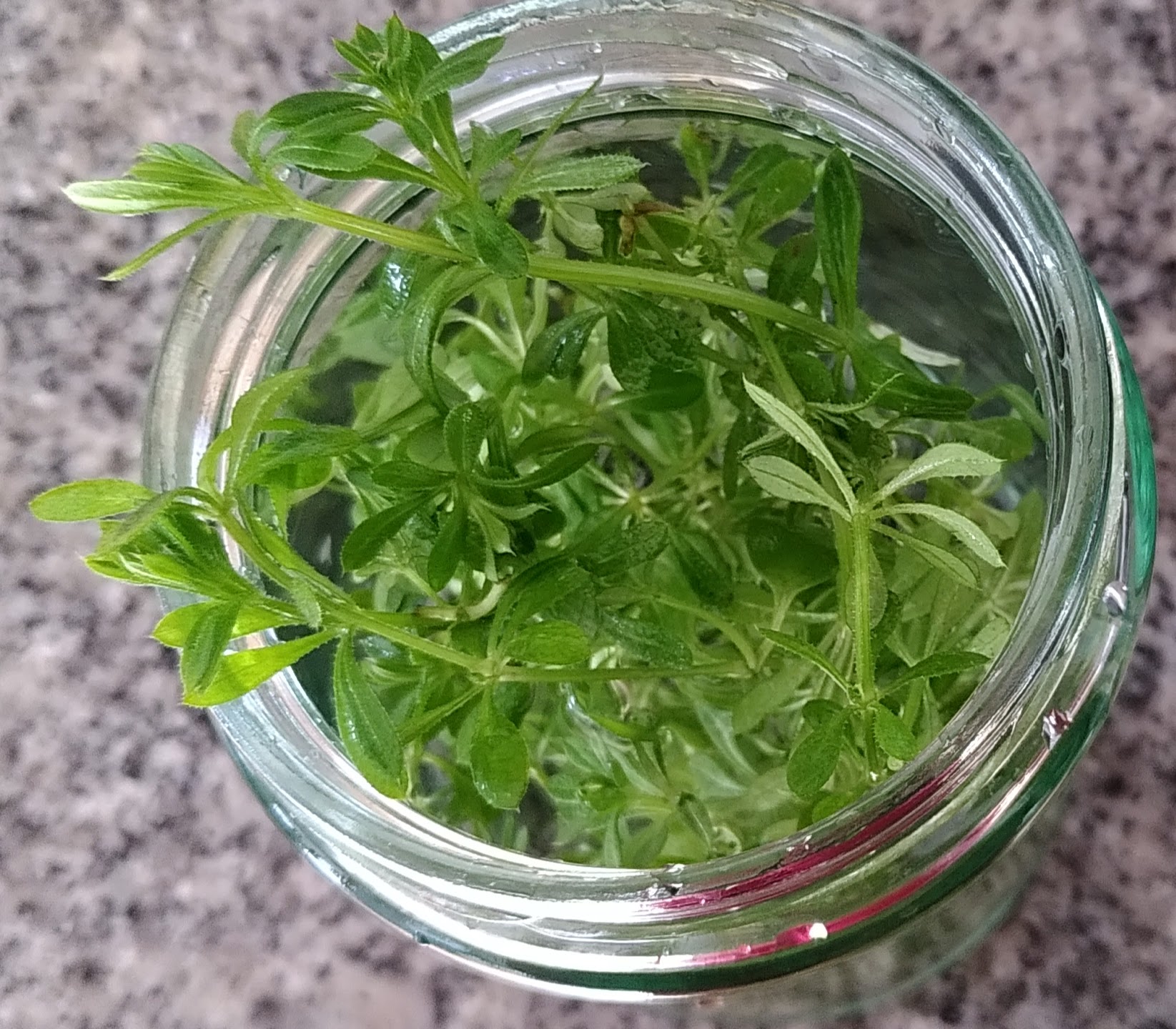
- Start each day with a glass of cleavers water, which has been infused in the fridge overnight. This is an excellent cleanser for the immune system and has a refreshing taste.
- Replace breakfast with a fruit smoothie made with plant milk ( I add a spoonful of oat milk powder), fruit, frozen berries, banana, hemp protein and any dietary supplements you choose for example spirulina to boost immunity or maca powder to balance hormones.
- Build in regular small healthy snacks (portable if you are out and about) such as celery sticks with peanut butter, fruit, nuts or a couple of oatcakes with nut butter or hummus, to keep your energy up until your next meal and reduce the temptation to go off-plan.
- Before my main meal I eat a small dish of fresh young dandelion leaves with sauerkraut and olives. This interesting but slightly bitter appetiser activates the digestive system and also feeds our beneficial gut bacteria, as well as having other health benefits. (Note it doesn’t work as well if you cover up the bitter taste with other flavours, however your taste buds do adapt over time!) You can of course experiment with other combinations for your appetiser.
If you’re feeling sludgy after the winter, maybe give this a try!
I am an artist, musician and orchardist living on the Gower Peninsula. I am writing this blog to share with others the power and joy we can feel as we immerse ourselves in nature recovery. By returning to our mother earth, I believe this will lead us forward into a more sustainable way of living. Self care and community care are vital to develop our resilience and then from a more grounded base we can create the world we want to see, starting with small and possible actions.
If you enjoyed this, please like and share. Click below to subscribe for free to my regular posts (normally every few weeks). You can unsubscribe at any time.
All photos and text are the copyright of Witchhazel Wildwood unless otherwise stated.
References
UK Centre for Ecology and Hydrology
https://www.ceh.ac.uk/solutions/industries/water/water-quality/nutrients-and-algae
 Wildwood Edge