Every year it’s a relief when Spring arrives, the constancy of the seasonal turning of the year reminds us again that all our winters will transform into something lighter and easier. This year in the UK that is truer than ever with such high rainfall causing despondency and disruption, especially to farmers and land workers. Currently we are having nightly frost and full sunshine in the days, the earth is waking up to Spring and so are our bodies – our seasonal cycles are harmonised.
The earth is defined by different spheres – the geosphere (earth’s interior and the surface), the biosphere (supporting living beings), the hydrosphere (water), the atmosphere (the zone of gas around the planet) and the cryosphere (the ice caps). There is a kind of integrated fascia within these zones made up of the water, soil and rock that meets and relates, together with the air. Under the soil is the amazing mycorrhizal fungi – running through the soil system in a similar to way the fibres of the fascial system in the body, linking roots to sources of nutrients and water, in return for food from the plants and trees.
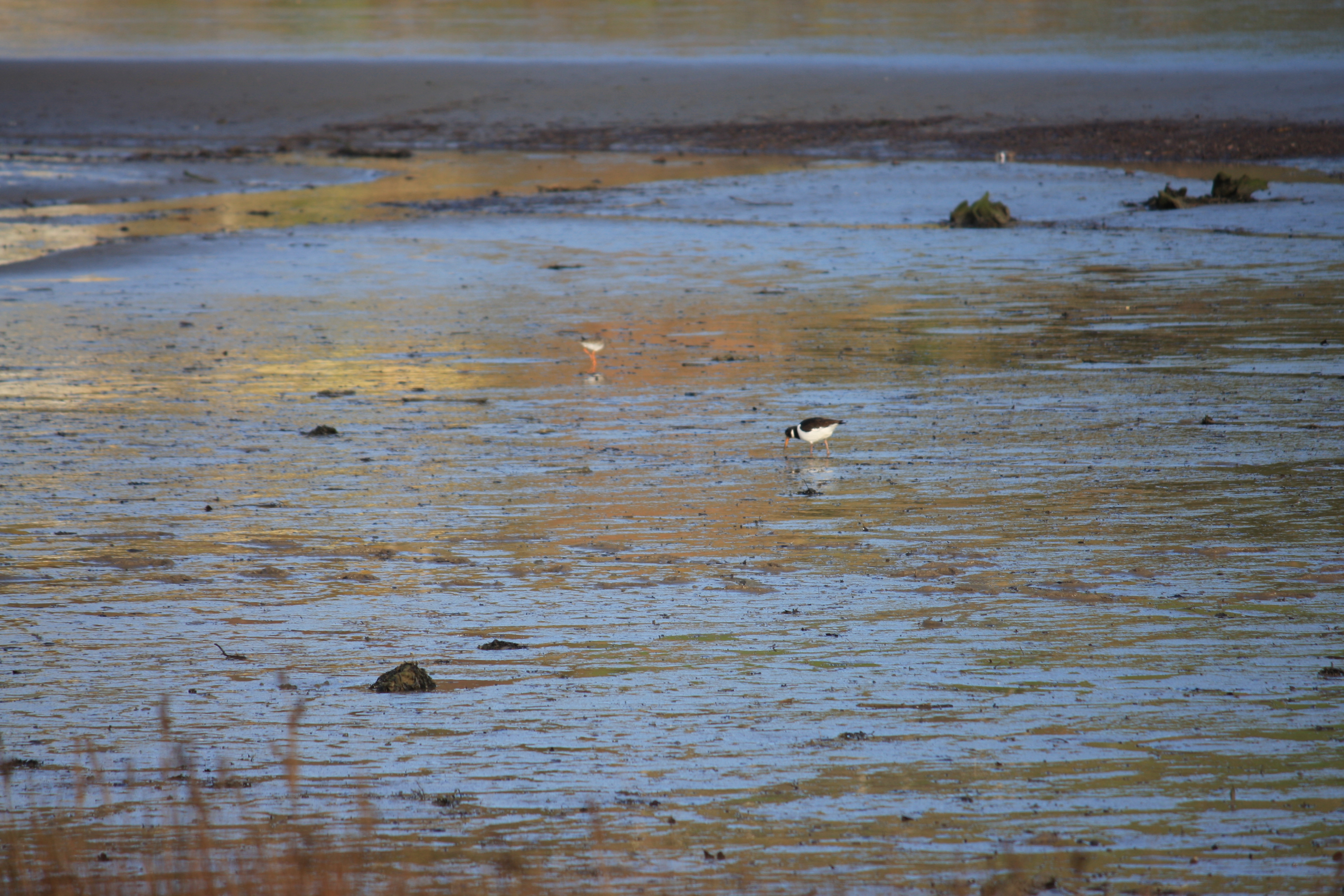
In the living world there are many different ecosystems, or habitats, for example woodland, field, ocean, beach. What is key about these systems is they all have their individual characteristics, but they are not separate – they MEET each other, they overlap, they are inter-related. So at the coast we have parts of the beach that generally remain dry and sandy, and parts of the beach perhaps with rock pools that are continually changing from underwater to exposed, with the tides. Then we have the sea where it is shallow and overlaps with the beach, and deeper marine environments out to sea, some of which have almost no light at all. The ‘middle’ of these systems is more static, whereas the edges where they meet are very dynamic. They are in relationship and this is where the most fertile actions are happening.
In permaculture there are principles and ethics that guide us, to help design our land and systems in ways that follow and work with nature, to apply sustainable practice and operate in the most holistic, way. For example ‘Produce no waste’ – guides us to design a system that uses the inputs we have and also makes use of the outputs. It’s cyclical and all our resources stay within the system where possible. Too much of any one thing, whether a ‘positive’ or a ‘negative’ thing, becomes polluting to the system. Our aim is to keep it all in balance, in a dynamic and evolving way. We are thinking of the whole and how everything integrates.
Another principle ‘Apply self regulation and accept feedback’ teaches us that a resilient system needs limits to enable it to work effectively. We can observe how our system is functioning and then make changes according to our observations. Our planet is a fantastic example of a self-regulating system. The temperature, water, weather and populations naturally work to restore balance over time, sometimes in a dramatic way like a volcanic eruption and sometimes in slow shifts in the ocean chemistry or in the soil microbiome.
Our bodies are also self-regulating systems, mostly operating unconsciously. When we function in good health, our body regulates temperature by sweating or shivering and it pumps blood around the body to bring nourishment, water and remove toxins. The fascial network of the body, the connective tissue, links all elements including all organs and bones to each other. Even blood and lymph carry liquid fascia. This fascial system integrates the body – an impact in one area may affect all areas. It has been described as ‘the largest organ in the body’. When we exercise, run or do yoga, instead of focusing on how the limbs are moving, we may find it helpful to hold an image of the body’s inter-connected fascia, with every movement being a whole body experience.
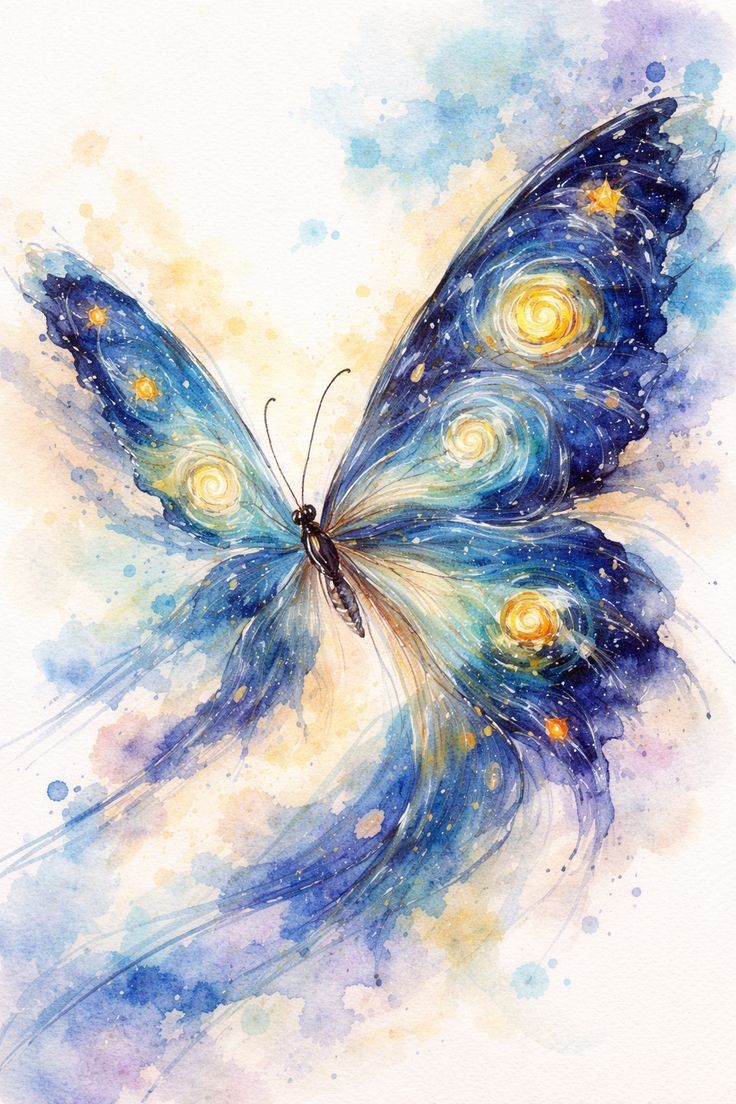
Until recently, both in science (the planet) and in medicine (the body), every element and all systems were viewed through a separate lens leading to fragmentation of the whole. We are starting to look at things differently and we are starting to see that it is the connections that are important, both in our bodies and with the earth in which we live. Remember the ‘Butterfly Effect’ – which views the earth as an integrated system where small causes may have large impacts. The movement of a butterfly’s wing has the potential to affect the path of a tornado. And so in our humble existence as part of a greater whole, how can we BE that butterfly’s wing to enact small and profound changes right now?
I am an artist, musician and orchardist living on the Gower Peninsula. I am writing this blog to share with others the power and joy we can feel as we immerse ourselves in nature recovery. By returning to our mother earth, I believe this will lead us forward into a more sustainable way of living. Self care and community care are vital to develop our resilience and then from a more grounded base we can create the world we want to see, starting with small and possible actions.
If you enjoyed this, please like and share. Click below to subscribe for free to my regular posts (normally every few weeks). You can unsubscribe at any time.
All photos and text are the copyright of Witchhazel Wildwood unless otherwise stated.
References:
https://education.nationalgeographic.org/resource/earths-systems/
https://www.oneearth.org/welcome-to-the-wood-wide-web/
www.Permacultureprinciples.com
Butterfly image by Lory Von
 Wildwood Edge